
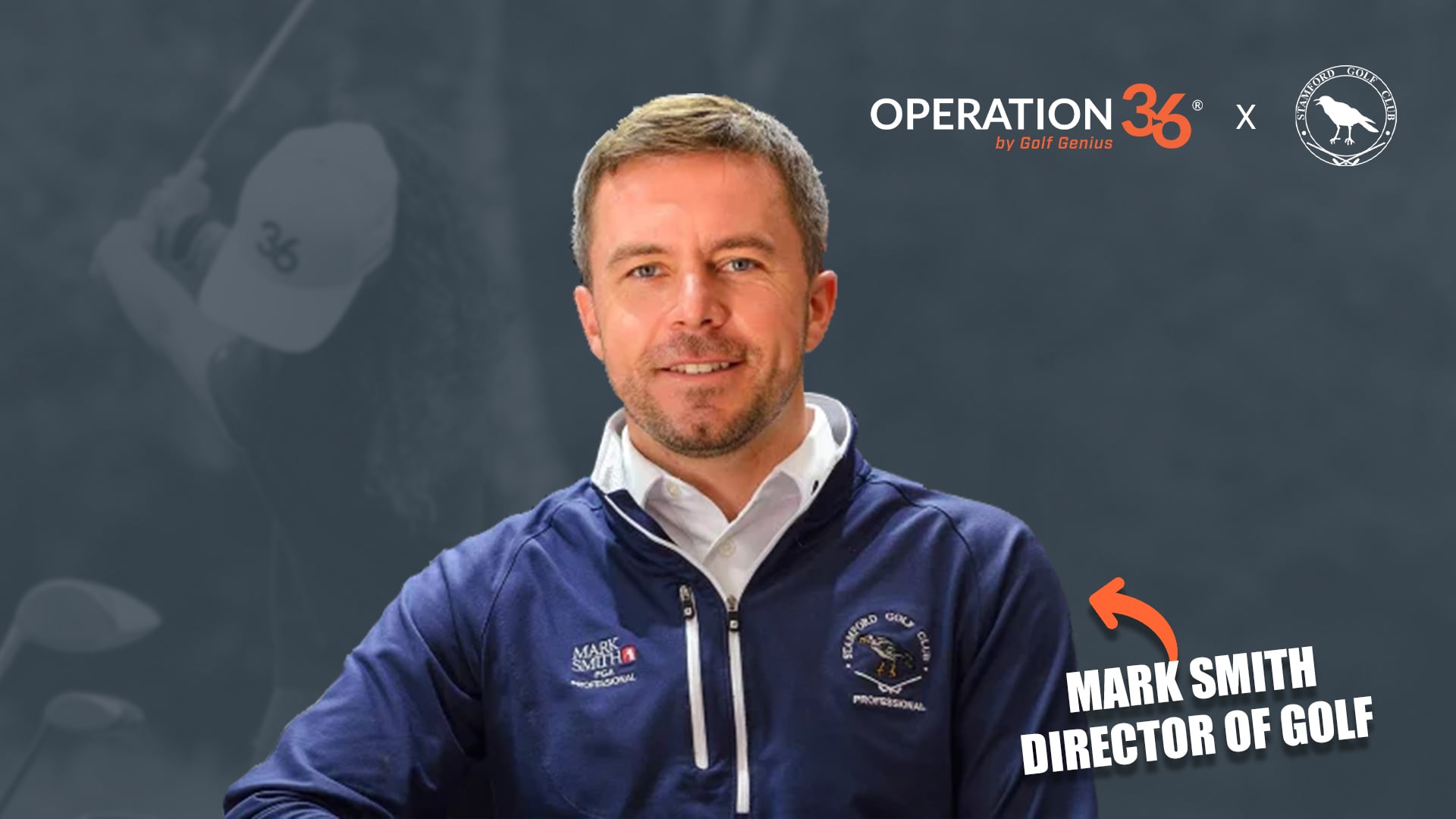
Written by Mark Smith, Director of Golf at Stamford Golf Club (Manchester, UK)
I see many golf clubs run 6-week ‘Get Into Golf’ programmes that bring along a dozen or so golfers and they then struggle to convert those players after it has finished. It’s a common issue facing clubs across the country and in fact around the world.
So, when I was asked by the committee at Stamford Golf Club to help them grow the number of juniors and ladies playing at the club, I focused on improving aspects of the wider club experience first, rather than chasing a headline number. That's what turns a six-week course into a habit. Programmes teach a skill, but experiences keep people coming back.
Eighteen months later, our junior membership has grown from 34 to 117, and we have introduced an additional 38 new women to the club.
Here are the three things that made the difference.
The biggest shift was changing how we think about the pro's role. Coaching is the way in, but it isn't the whole relationship.
Newcomers need a familiar face. Not a rotating cast of instructors, but the same person, week after week, who knows their name and their goals. Then we built things around the lesson: group play, social events and informal get-togethers that don't feel like "class."
This got the parents much more involved in the process too, and some of them have even gone onto joining the club. So, the impact has transcended all levels of the club, not just the junior section.
A strategy only works if the club is behind it. A great programme run in isolation will always struggle to become part of club life.
Working with our Lady Captain, Helen, we adapted the way the club was governed so female membership initiatives had proper support. I'd encourage any pro to bring the committee in early and speak their language: retention, revenue and the long-term health of the membership.
Once the committee saw itself as part of the plan rather than a bystander, everything got easier. Members welcomed newcomers, and initiatives had backing when they needed it.
This is where our use of Operation 36 made the biggest difference. Ask most new golfers why they quit and it rarely comes down to price or access. It's intimidation, the worry of being slow, and having nobody to play with.

Progressive learning tackles all three. Instead of starting on a full-length course, beginners work through levels, from 25 yards out to the full tee box. They build confidence with every step, and they're playing real golf from the start.
The research backs this up. In a survey of 400+ women, 47% said starting close to the hole and moving back did the most to increase their enjoyment. Introducing progressive play increased the number of women playing and practising weekly by 54%. And combining it with coach-led instruction was, for 67% of women, the most important factor in overcoming the fear of embarrassing themselves or holding everyone up.

You don't need a huge budget or a complete overhaul. Work with your PGA Pro, get your committee involved and onside, and make the first step onto the course an easy one through a progressive learning approach, such as Operation 36.
You can check out how we use Operation 36 at the club below.
I don’t believe the issue is attracting people to the game. I see the issue being around player retention instead. If we can give people a familiar face, a supportive club environment and a path that builds their confidence, they have a much stronger reason to stay.


